As part of the OBBB, the IRS tax code introduced a powerful option for manufacturing businesses and investors: Qualified Production Property (QPP). While it may sound technical, QPP is simply a way to help property owners and businesses accelerate tax savings when they invest in certain types of non-residential property and production-oriented assets.
What is Qualified Production Property (QPP)?
QPP generally includes tangible property that is produced, constructed, or improved for business use. This could mean manufacturing equipment, certain commercial real estate improvements, or property built for long-term business operations. It is essentially a specialized form of Bonus Depreciation.
By classifying assets as QPP, owners can take advantage of special depreciation rules under the tax code.
Key Benefits of QPP:
- Accelerated Depreciation: Normally, property and equipment must be depreciated slowly over many years. With QPP, investors may be able to deduct costs much faster, freeing up cash flow for reinvestment.
- Lower Tax Liability: By accelerating deductions, QPP reduces taxable income in the early years of ownership. That means smaller tax bills when businesses need capital to grow.
- Applies to a Wide Range of Assets: QPP isn’t limited to one industry. Manufacturers, real estate investors, and developers can all benefit when their qualifying assets fall under this category.
- Stronger ROI on Projects: Faster write-offs mean projects generate tax savings right away, increasing overall return on investment and making expansion strategies more attractive.
To Qualify, a property must meet ALL the following requirements:
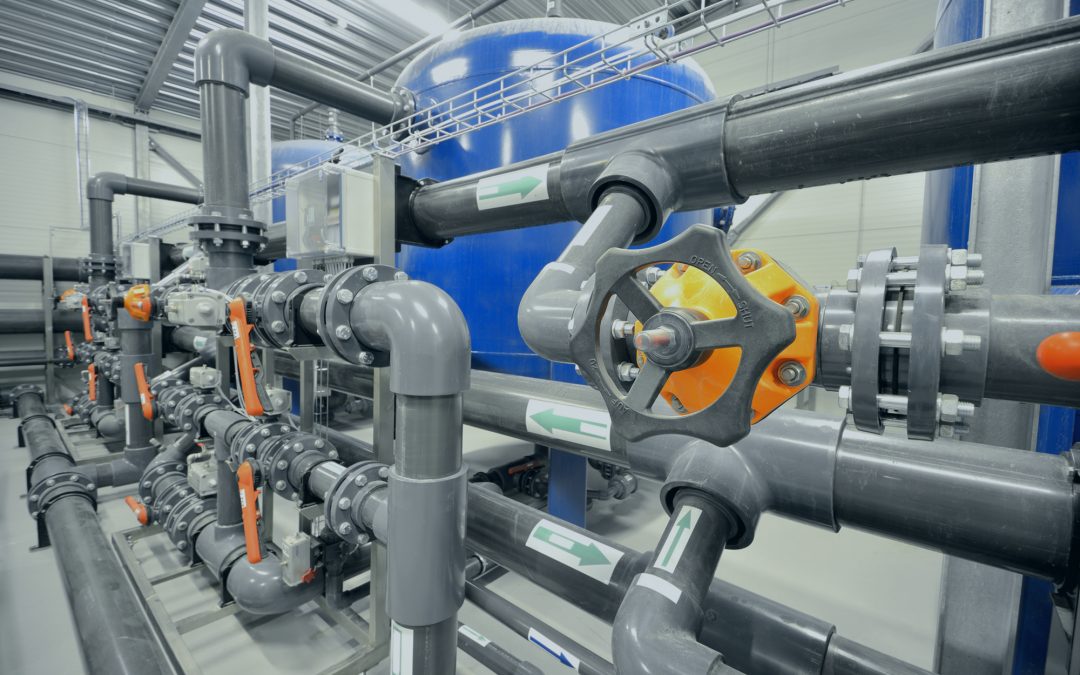
- Integral Use: It must be used by the taxpayer as an integral part of a qualified. production activity—such as manufacturing, production, refining, agricultural, or chemical processes involving substantial transformation of tangible personal property.
- U.S. Location: It must be placed in service in the U.S. or its possessions.
- Original Use: The original use must commence with the taxpayer (i.e., it must be new or first used by the claiming taxpayer).
- Construction Start Window: Construction must start after January 19, 2025, and before January 1, 2029.
- Placed in Service Deadline: The property must be placed in service before January 1, 2031, though some sources suggest before January 1, 2030—IRS guidance may clarify this nuance.
- Taxpayer Election: The taxpayer must elect to treat it as QPP on their tax return.
- Exclusions – Nonproduction Areas: Excluded elements include any part of the property used for offices, administrative services, lodging, parking, sales activities, research, software development/engineering—anything unrelated to actual production activities.
- Lease Exclusion: Leased property doesn’t qualify—only owner-used property is eligible.
Why It Matters
The addition of QPP in the tax code provides businesses and investors with greater flexibility. It rewards those who invest in productive property; whether building new facilities, upgrading equipment, or improving real estate. This provision can deliver $1,000’s or even $1,000,000’s in upfront tax savings.
👉 Bottom Line: While we are waiting on specific IRS guidance, the fundamentals are set Investors and CPAs can do general planning for these tax benefits. Qualified Production Property is a bonus depreciation tax strategy that can boost cash flow, lower taxes, and encourage growth. If you’re considering new property or equipment investments, it is worth exploring how QPP may fit into your tax planning.